


In an age where many are seeking natural alternatives to conventional medicine, the concept of a herbal medicine cabinet is gaining traction. This cabinet is not merely a collection of dried leaves and roots; it represents a holistic approach to health that has been practiced for centuries across various cultures. Herbal medicine, or phytotherapy, utilizes the therapeutic properties of plants to promote wellness and treat ailments. As more individuals turn to these natural remedies, understanding their benefits and applications becomes essential.
The resurgence of interest in herbal medicine can be attributed to several factors, including a growing awareness of the side effects associated with pharmaceutical drugs and a desire for more personalized healthcare solutions. With the right knowledge and resources, families can create their own herbal medicine cabinets, stocked with remedies that are both effective and safe. This article will explore the benefits of medicinal herbs, highlight key plants to consider, and provide guidance on how to incorporate these remedies into daily life.
Key Takeaways
- Herbal medicine offers natural, accessible remedies for common family health issues.
- Top medicinal plants include versatile herbs that can be grown and harvested at home.
- Safe and effective use of herbal remedies requires proper knowledge and precautions.
- Incorporating herbs into daily wellness routines supports long-term family health.
- Empowering families with herbal medicine promotes self-care and holistic well-being.
Benefits of Using Medicinal Herbs
The use of medicinal herbs offers a range of benefits that appeal to those seeking natural health solutions. One of the primary advantages is their potential to address various health issues with fewer side effects compared to synthetic medications. Many herbs contain bioactive compounds that can support the body’s healing processes, enhance immune function, and promote overall well-being. For instance, ginger is well-known for its anti-inflammatory properties, making it a popular choice for alleviating nausea and digestive discomfort.
Moreover, herbal remedies often come with a rich history of traditional use, providing a sense of cultural connection and continuity. Many families find comfort in using remedies that have been passed down through generations, fostering a deeper understanding of their health and wellness. Additionally, the accessibility of herbs—whether grown at home or purchased from local markets—makes them an appealing option for those looking to take charge of their health in a sustainable manner.
In addition to exploring the essential plants for your family’s herbal medicine cabinet, you might find it interesting to read about the cultural significance of various iconic fashion moments throughout history. The article titled “The History of Iconic Fashion Photos” delves into how fashion has been influenced by societal changes and artistic movements, much like how herbal medicine has evolved over time. You can check it out here: The History of Iconic Fashion Photos.
Top 10 Medicinal Plants for the Family Medicine Cabinet
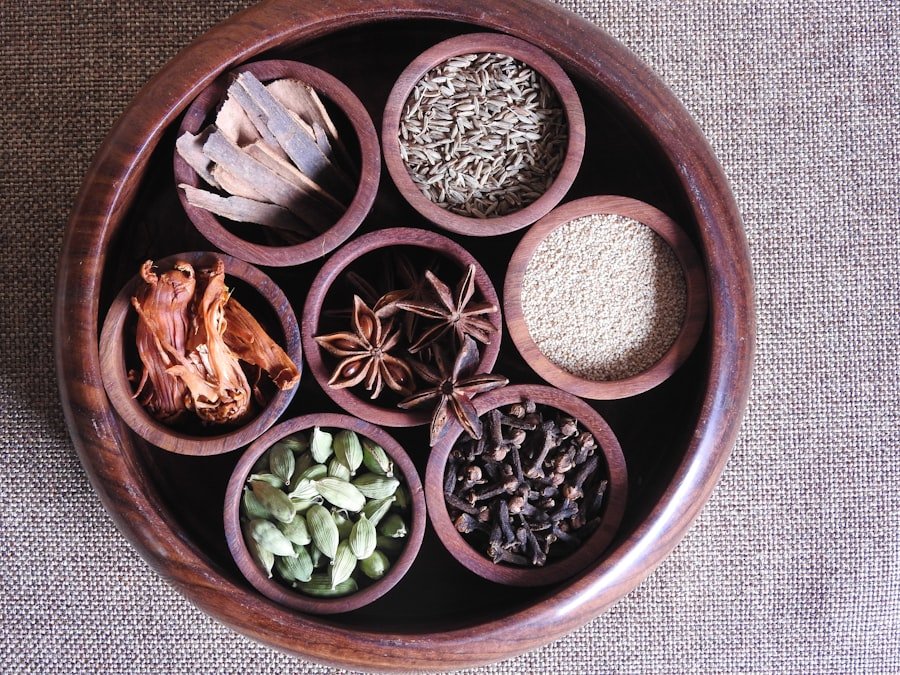
Creating a family medicine cabinet filled with medicinal herbs can be both practical and empowering. Here are ten essential plants that can serve as foundational elements in your herbal collection:
1. **Echinacea**: Often used to boost the immune system, echinacea is particularly popular during cold and flu season. Research suggests that it may reduce the duration and severity of respiratory infections.
2. **Peppermint**: Known for its soothing properties, peppermint can help relieve digestive issues such as bloating and indigestion. Its aromatic oils also provide relief from headaches when applied topically.
3. **Chamomile**: This gentle herb is renowned for its calming effects. Chamomile tea is often used to promote relaxation and improve sleep quality, making it an excellent addition to any nighttime routine.
4. **Lavender**: With its pleasant fragrance, lavender is not only a popular essential oil but also a powerful herb for reducing anxiety and promoting restful sleep. It can be used in teas or as an infusion in bath products.
5. **Ginger**: A staple in many kitchens, ginger is celebrated for its anti-inflammatory and digestive benefits. It can be consumed fresh, dried, or as a tea to alleviate nausea and support digestive health.
6. **Turmeric**: Known for its vibrant yellow color, turmeric contains curcumin, a compound with potent anti-inflammatory properties. It can be added to food or taken as a supplement for various health benefits.
7. **Garlic**: Often referred to as nature’s antibiotic, garlic has been shown to support cardiovascular health and boost the immune system. It can be consumed raw or cooked in various dishes.
8. **Aloe Vera**: This succulent plant is famous for its soothing properties when applied topically for burns and skin irritations. Aloe vera juice is also consumed for its digestive benefits.
9. **Thyme**: Beyond its culinary uses, thyme has antimicrobial properties that can help combat respiratory infections. It can be used in teas or as an essential oil for inhalation.
10. **Holy Basil (Tulsi)**: Revered in Ayurvedic medicine, holy basil is known for its adaptogenic properties, helping the body manage stress and promote overall balance.
These herbs not only provide therapeutic benefits but also encourage families to explore natural remedies together, fostering a sense of shared wellness.
How to Use Herbal Remedies Safely and Effectively
While herbal remedies can offer numerous health benefits, it is crucial to use them safely and effectively. One of the first steps is to educate yourself about each herb’s properties, potential side effects, and interactions with other medications.
Consulting with a qualified healthcare professional or a trained herbalist can provide valuable insights tailored to individual health needs.
When using herbal remedies, it’s important to start with small doses to gauge your body’s response. This approach allows you to monitor any adverse reactions while determining the most effective dosage for your needs. Additionally, consider the form in which you are using the herb—whether as a tea, tincture, capsule, or topical application—as this can influence its efficacy and absorption.
Another key aspect of safe herbal use is sourcing high-quality products. Look for reputable suppliers who provide transparency about their sourcing and manufacturing processes. Organic herbs are often recommended to minimize exposure to pesticides and other harmful chemicals. By prioritizing quality and safety, you can maximize the benefits of your herbal medicine cabinet.
Herbal Medicine for Common Family Health Issues
Herbal medicine can be particularly effective in addressing common family health issues that arise throughout the year. For instance, during cold and flu season, echinacea and elderberry are often recommended for their immune-boosting properties. Studies have shown that elderberry extract may reduce the duration of flu symptoms when taken at the onset of illness.
Digestive complaints are another area where herbal remedies shine. Peppermint tea can soothe an upset stomach, while ginger is frequently used to alleviate nausea associated with motion sickness or morning sickness during pregnancy. For families dealing with stress or anxiety, chamomile and lavender offer gentle support through their calming effects.
Skin issues such as minor burns or irritations can also benefit from herbal treatments. Aloe vera gel is widely recognized for its soothing properties when applied topically, while calendula ointment can promote healing for cuts and scrapes. By having these remedies on hand, families can address everyday health concerns naturally and effectively.
In addition to exploring the benefits of various plants in “The Herbal Medicine Cabinet: 10 Plants Every Family Should Know About,” you might find it interesting to read about seasonal activities that can enhance your well-being. For instance, planning a cozy evening with your loved ones can be a delightful way to unwind and connect. You can discover some great ideas for this in an article about the best fall date night outfits, which offers inspiration for creating memorable moments during the autumn season. Check it out here for tips on how to dress for those special nights.
Growing and Harvesting Medicinal Herbs at Home

One of the most rewarding aspects of incorporating herbal medicine into your family’s wellness routine is the opportunity to grow your own medicinal herbs at home. Not only does this provide easy access to fresh ingredients, but it also fosters a deeper connection with nature and an understanding of plant care.
Starting an herb garden doesn’t require extensive gardening experience; many medicinal herbs are relatively easy to grow in containers or small garden beds. Herbs like basil, mint, and rosemary thrive in sunny spots and can be cultivated indoors or outdoors depending on your climate. When growing herbs, consider using organic seeds or seedlings to ensure you’re cultivating plants free from harmful chemicals.
Harvesting herbs at the right time is crucial for maximizing their potency. Generally, herbs should be harvested just before they flower when their essential oils are most concentrated. After harvesting, proper drying techniques—such as air drying or using a dehydrator—can preserve their medicinal properties for future use. By growing your own herbs, you not only enhance your family’s health but also instill valuable lessons about sustainability and self-sufficiency.
Incorporating Herbal Medicine into Your Family’s Wellness Routine
Integrating herbal medicine into your family’s wellness routine can be both enjoyable and beneficial. Start by introducing one or two herbs at a time into your daily life—this could be as simple as brewing a cup of chamomile tea before bedtime or adding fresh basil to your meals for flavor and health benefits.
Creating rituals around herbal use can enhance the experience for all family members. For example, consider hosting a weekly “herb night” where everyone participates in preparing herbal teas or tinctures together. This not only educates children about natural remedies but also encourages open discussions about health and wellness within the family unit.
Additionally, keep an open mind about experimenting with different forms of herbal remedies—such as infusions, salves, or essential oils—to find what works best for your family’s preferences and needs. Documenting your experiences with each herb can help track what works well and what doesn’t, allowing you to refine your approach over time.
Empowering Your Family’s Health with Herbal Medicine
Incorporating herbal medicine into your family’s health regimen offers an empowering way to take charge of wellness naturally. By understanding the benefits of medicinal herbs and how to use them safely, families can cultivate a deeper connection with their health while embracing time-honored traditions of healing.
As you explore the world of herbal remedies, remember that knowledge is key—educate yourself about each herb’s properties and consult with professionals when needed. Growing your own herbs not only enhances accessibility but also fosters appreciation for nature’s bounty.
Ultimately, creating an herbal medicine cabinet is about more than just stocking up on plants; it’s about nurturing a lifestyle that values holistic health and well-being. By integrating these practices into daily life, families can empower themselves to navigate health challenges with confidence and resilience.
FAQs
What is herbal medicine?
Herbal medicine involves using plants or plant extracts for therapeutic purposes to promote health and treat various ailments. It is one of the oldest forms of healthcare practiced worldwide.
Why should families have a herbal medicine cabinet?
Having a herbal medicine cabinet allows families to access natural remedies for common health issues, potentially reducing reliance on synthetic drugs and providing safe, cost-effective treatment options.
Are herbal medicines safe for everyone?
While many herbal medicines are safe when used correctly, some can cause allergic reactions or interact with prescription medications. It is important to consult a healthcare professional before using herbal remedies, especially for children, pregnant women, or individuals with chronic conditions.
What are some common plants included in a family herbal medicine cabinet?
Common plants often included are chamomile, peppermint, ginger, lavender, echinacea, aloe vera, garlic, turmeric, calendula, and valerian. Each has specific uses, such as soothing digestion, reducing inflammation, or promoting relaxation.
How should herbal plants be stored in a medicine cabinet?
Herbal plants and preparations should be stored in a cool, dry place away from direct sunlight to preserve their potency. Proper labeling and airtight containers help maintain freshness and prevent contamination.
Can herbal medicines replace conventional treatments?
Herbal medicines can complement conventional treatments but should not replace prescribed medications without professional advice. They are best used as part of an integrated approach to health.
How can one learn to use herbal plants safely at home?
Learning from reputable sources such as certified herbalists, healthcare providers, or trusted books and courses is essential. Understanding proper dosages, preparation methods, and contraindications ensures safe use.
Are there any side effects associated with herbal medicines?
Some herbal medicines may cause side effects like allergic reactions, digestive upset, or interactions with other drugs. Monitoring for adverse effects and consulting a healthcare provider if symptoms occur is important.
Can herbal plants be grown at home for medicinal use?
Yes, many medicinal plants can be grown at home in gardens or pots, making it convenient to have fresh herbs available for remedies. Proper care and knowledge of the plants are necessary for effective use.
Is scientific research available to support the use of herbal medicines?
Yes, numerous studies have investigated the efficacy and safety of various herbal medicines. However, the quality and extent of research vary, so it is important to rely on evidence-based information when choosing herbal treatments.

