



In 2026, a significant recall of Levothyroxine, a commonly prescribed medication for hypothyroidism, has raised concerns among patients and healthcare providers alike. This recall has prompted many to question the safety and efficacy of their medications. Levothyroxine is crucial for individuals whose thyroid glands do not produce enough hormones, and any disruption in its availability can have serious implications for their health. Understanding the reasons behind the recall, the potential health risks involved, and the steps to take if your medication is affected is essential for anyone relying on this treatment.
The recall has generated a lot of discussions in both medical circles and among patients. It’s important to stay informed about what this means for you or your loved ones who are on Levothyroxine. In this article, we will delve into the reasons for the recall, the potential health risks associated with it, and what steps you can take to ensure your health and safety during this time.
In light of the recent levothyroxine recall in 2026, it’s essential for patients and healthcare providers to stay informed about medication safety and alternatives. For those looking to understand more about seasonal health considerations, you might find it helpful to read this article on winter attire and its impact on well-being. You can check it out here: What Should You Wear in Winter? Check Out Our Tips for Winter.
Reasons for the Recall
The recall of Levothyroxine in 2026 was initiated due to concerns over manufacturing inconsistencies that could affect the potency of the medication. Reports indicated that certain batches of Levothyroxine did not meet the required standards for active ingredient concentration. This inconsistency can lead to either an insufficient dose or an overdose, both of which can have serious consequences for patients who depend on this medication to regulate their thyroid hormone levels.
Additionally, some reports highlighted contamination issues during the production process. Contaminants can compromise the integrity of the medication, leading to adverse effects or reduced effectiveness. Regulatory bodies like the FDA took swift action to protect public health by issuing a recall, emphasizing the importance of quality control in pharmaceutical manufacturing. Understanding these reasons helps patients grasp the gravity of the situation and why it’s crucial to monitor their medications closely.
Potential Health Risks
The potential health risks associated with taking affected batches of Levothyroxine are significant. For patients who receive an inadequate dose, symptoms of hypothyroidism may worsen. These can include fatigue, weight gain, depression, and sensitivity to cold. In severe cases, untreated hypothyroidism can lead to complications such as heart problems or myxedema coma, a rare but life-threatening condition.
On the other hand, taking an excessive dose can lead to hyperthyroidism symptoms, including anxiety, rapid heartbeat, weight loss, and increased sweating. Long-term overmedication can also result in serious complications like osteoporosis or heart issues. The dual risk of under-treatment and over-treatment underscores why it’s vital for patients to be aware of the recall and its implications for their health.
How to Check if Your Medication is Affected
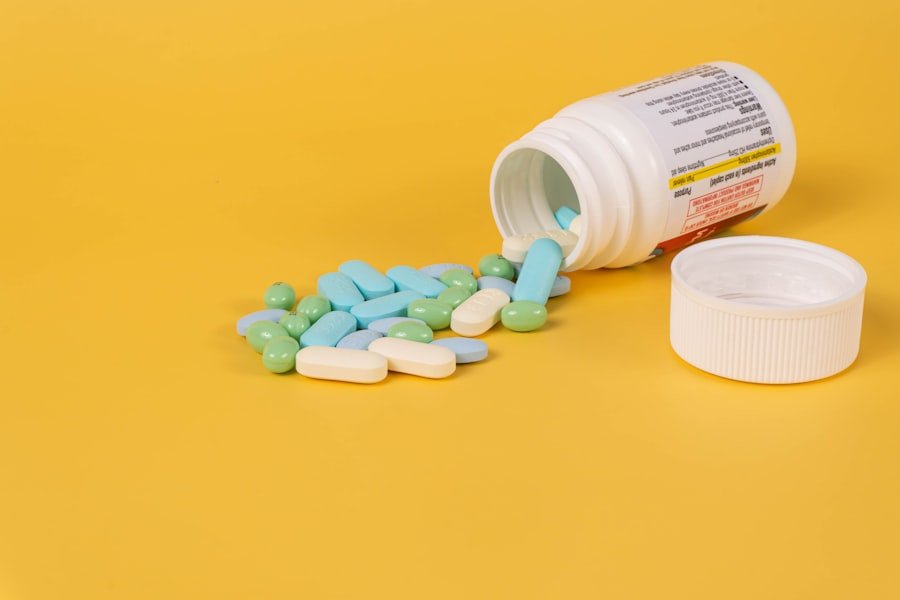
If you’re concerned about whether your Levothyroxine medication is part of the recall, there are several steps you can take to verify its status. First, check the packaging for any recall notices or batch numbers that may be listed. The FDA typically provides detailed information about which specific lots are affected by a recall, including batch numbers and expiration dates.
You can also visit the FDA’s official website or contact your pharmacist for up-to-date information regarding the recall. Many pharmacies have systems in place to track medication recalls and can assist you in determining if your prescription is impacted. It’s always a good idea to keep an open line of communication with your healthcare provider as well; they can offer guidance tailored to your specific situation.
In light of the recent levothyroxine recall in 2026, it is crucial for patients and healthcare providers to stay informed about the implications of this event. A related article discusses the potential health risks associated with this medication and offers insights into alternative treatments. For more detailed information, you can read the article here: health risks that may arise from the recall. Staying updated can help ensure that individuals affected by this recall make informed decisions regarding their treatment options.
What to Do if Your Medication is Affected
If you discover that your Levothyroxine medication is affected by the recall, it’s important to take immediate action. First, stop taking the medication right away and consult your healthcare provider for further instructions. They may recommend switching to a different brand or formulation of Levothyroxine that is not affected by the recall.
Your doctor may also want to monitor your thyroid hormone levels more closely during this transition period to ensure that you are receiving the appropriate dosage. It’s crucial not to make any changes to your medication regimen without professional guidance, as doing so could lead to further complications.
Additionally, if you have any remaining pills from the affected batch, follow local guidelines for safe disposal. Many pharmacies offer medication take-back programs where you can return unused or recalled medications safely.
In light of the recent levothyroxine recall in 2026, many patients are seeking information on how this may affect their treatment plans. For those looking for further insights and updates on medication recalls and safety, a related article can be found at this link. It provides valuable information that can help patients navigate their options during this time of uncertainty.
Alternative Treatment Options
While Levothyroxine is a standard treatment for hypothyroidism, there are alternative options available if you find yourself unable to use it due to the recall. One alternative is Liothyronine (Cytomel), which is a synthetic form of triiodothyronine (T3). Some patients may respond better to T3 therapy alone or in combination with Levothyroxine.
Another option is desiccated thyroid extract, which is derived from animal thyroid glands and contains both T3 and T4 hormones. While some patients prefer this natural approach, it’s essential to discuss these alternatives with your healthcare provider to determine what’s best for your individual needs.
Lifestyle changes can also play a role in managing hypothyroidism. A balanced diet rich in iodine and selenium can support thyroid function, while regular exercise can help mitigate some symptoms associated with hypothyroidism.
Steps for Seeking Legal Recourse
If you believe that you have suffered health complications due to taking affected batches of Levothyroxine, you may want to consider seeking legal recourse. The first step is to document your medical history and any symptoms you experienced while taking the medication. This documentation will be crucial if you decide to pursue legal action.
Consulting with a lawyer who specializes in pharmaceutical litigation can provide you with insights into your options. They can help you understand whether you have a case based on the specifics of your situation and guide you through the process of filing a claim if necessary.
It’s also worth noting that class-action lawsuits may arise from widespread recalls like this one. Joining such a lawsuit could provide a way for affected individuals to seek compensation collectively.
Conclusion and Future Precautions
The Levothyroxine recall in 2026 serves as a stark reminder of the importance of vigilance when it comes to medications. For those relying on this essential treatment for hypothyroidism, staying informed about recalls and potential risks is crucial for maintaining health and well-being.
As we move forward, it’s essential to establish good communication with healthcare providers and pharmacists regarding any concerns about medications. Regular check-ups and monitoring can help catch any issues early on, ensuring that treatment remains effective and safe.
In conclusion, while recalls can be alarming, being proactive about your health can mitigate risks associated with such events. By staying informed and engaged with your healthcare team, you can navigate these challenges more effectively and continue managing your condition with confidence.

