



In a society increasingly obsessed with youthfulness, the notion of longevity often takes center stage. Many people equate living longer with living better, but this perspective can be misleading. The myth that simply adding years to our lives equates to a higher quality of life is not supported by evidence. Research indicates that while life expectancy has increased in many parts of the world, the quality of those additional years can vary significantly. Factors such as chronic illness, mental health, and social connections play crucial roles in determining how we experience aging.
Moreover, the pursuit of longevity can lead to unrealistic expectations and unhealthy behaviors.
The wellness industry often promotes products and practices that promise to extend life, but many lack scientific backing.
For instance, while certain diets and supplements claim to enhance lifespan, the evidence supporting these claims is often inconclusive or based on anecdotal experiences. It is essential to approach the idea of longevity with a critical eye, recognizing that living longer does not inherently mean living well.
Key Takeaways
- Longevity myths often overlook the importance of quality over quantity of life.
- Anti-aging focuses on slowing aging processes, not just extending lifespan.
- Healthy aging involves maintaining vitality and fulfillment, not just avoiding disease.
- Prioritizing wellness and quality of life is more beneficial than merely chasing longer years.
- A positive mindset and holistic care are essential for truly successful aging.
Understanding Anti-Aging: The Truth About Slowing Down the Aging Process
The term “anti-aging” has become a buzzword in health and wellness circles, often associated with creams, supplements, and treatments that promise to reverse the signs of aging. However, the scientific understanding of aging is complex and multifaceted. Aging is a natural biological process influenced by genetics, lifestyle choices, and environmental factors. While some interventions may help mitigate certain aspects of aging, the idea of completely halting or reversing it is largely a misconception.
Current research suggests that certain lifestyle choices can positively influence the aging process. For example, regular physical activity, a balanced diet rich in antioxidants, and adequate sleep have all been shown to support cellular health and may slow down some aging markers. However, it is crucial to recognize that these strategies do not stop aging; rather, they can enhance our overall health and well-being as we age. Emphasizing a holistic approach to health can lead to more sustainable outcomes than chasing after elusive anti-aging solutions.
In exploring the themes presented in “The Longevity Lie: Why Anti-Aging Isn’t About Living Longer—It’s About Living Better,” it’s interesting to consider how lifestyle choices and personal well-being contribute to a fulfilling life. A related article that delves into the importance of self-expression and confidence in enhancing one’s quality of life is available at Talking About Fashion with Sandra Mullow. This piece highlights how fashion and personal style can play a significant role in how we perceive ourselves and ultimately impact our overall happiness and longevity.
Embracing Healthy Aging: The Key to a Fulfilling and Vibrant Life
Healthy aging is about more than just physical health; it encompasses emotional, mental, and social well-being as well. Embracing this comprehensive view allows individuals to cultivate a fulfilling life at any age. Research shows that maintaining strong social connections, engaging in meaningful activities, and fostering a sense of purpose can significantly enhance one’s quality of life as they age. These elements contribute to resilience and adaptability, which are essential for navigating the challenges that come with aging.
Moreover, adopting a proactive approach to health can empower individuals to take charge of their aging journey. This includes regular health screenings, staying informed about one’s health status, and making lifestyle adjustments as needed. By focusing on what can be controlled—such as diet, exercise, and mental health—individuals can create a foundation for healthy aging that prioritizes well-being over mere longevity.
The Pitfalls of Chasing Longevity: Why Quality of Life Matters More
The relentless pursuit of longevity can lead to a narrow focus on lifespan at the expense of quality of life. This fixation may result in individuals engaging in extreme diets or excessive exercise regimens that are neither sustainable nor enjoyable. Such behaviors can lead to burnout or even adverse health effects, ultimately detracting from the very goal of enhancing life quality. It is essential to recognize that a longer life filled with discomfort or dissatisfaction is not necessarily a desirable outcome.
Research consistently shows that quality of life is a more significant predictor of happiness and fulfillment than sheer longevity. Factors such as emotional well-being, physical health, and social engagement contribute to an individual’s overall satisfaction with life. By prioritizing these aspects over the mere addition of years, individuals can cultivate a more enriching experience as they age. This shift in focus encourages a more balanced approach to health and wellness that values living well over simply living longer.
Shifting the Focus: How to Prioritize Wellness Over Simply Adding Years
To foster a healthier perspective on aging, it is crucial to shift the focus from merely adding years to enhancing wellness. This involves adopting a holistic view that encompasses physical fitness, mental clarity, emotional resilience, and social connectivity. Engaging in regular physical activity not only supports cardiovascular health but also boosts mood and cognitive function. Similarly, nurturing mental health through mindfulness practices or therapy can enhance emotional well-being.
Nutrition also plays a vital role in this wellness-centric approach. A diet rich in whole foods—fruits, vegetables, whole grains, lean proteins—can provide essential nutrients that support overall health. Additionally, staying hydrated and limiting processed foods can further enhance physical vitality. By prioritizing these wellness strategies over quick fixes or trends aimed at extending lifespan, individuals can create a more sustainable path toward healthy aging.
In exploring the themes presented in “The Longevity Lie: Why Anti-Aging Isn’t About Living Longer—It’s About Living Better,” one can find valuable insights in a related article that discusses the importance of lifestyle choices in enhancing overall well-being. This article emphasizes how our daily habits, including nutrition and exercise, play a crucial role in not just extending life but improving its quality. For instance, the choices we make about our health can be as impactful as selecting the right handbag colors that complement our style, reflecting our personal preferences and enhancing our confidence. Both pieces highlight that living better is a holistic approach that encompasses various aspects of our lives.
The Role of Mindset: Cultivating a Positive Attitude Towards Aging
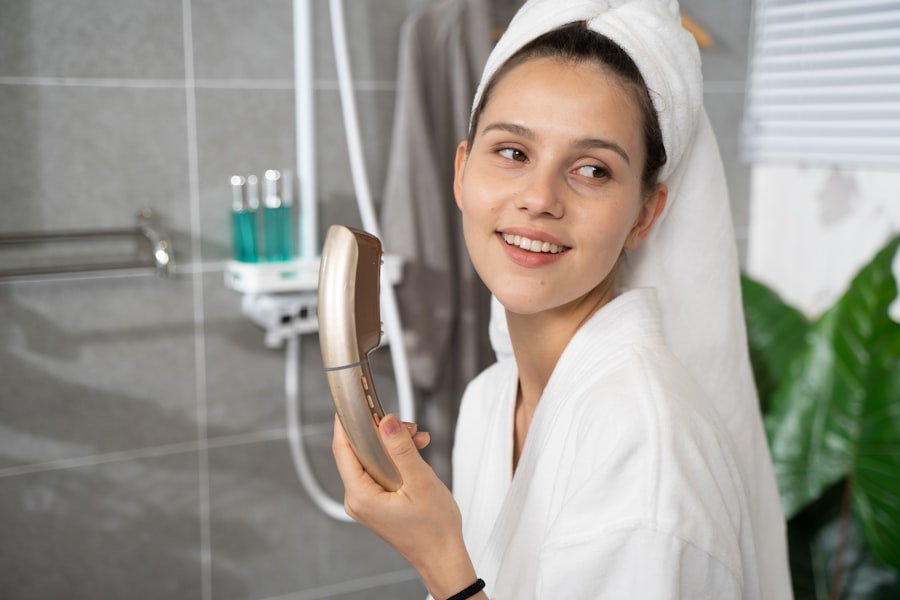
Mindset significantly influences how individuals experience aging. Research has shown that those who maintain a positive outlook on aging tend to enjoy better health outcomes and greater life satisfaction than those who harbor negative beliefs about growing older. A positive attitude can foster resilience in the face of challenges and encourage proactive engagement in health-promoting behaviors.
Cultivating this positive mindset involves reframing how we view aging itself. Instead of seeing it as a decline or loss, it can be viewed as an opportunity for growth and new experiences. Engaging in lifelong learning, pursuing hobbies, or volunteering can provide a sense of purpose and fulfillment that enriches life at any age. By embracing the potential for growth inherent in aging, individuals can enhance their overall well-being and navigate this natural process with grace.
Holistic Approaches to Anti-Aging: Incorporating Physical, Mental, and Emotional Well-being
A holistic approach to anti-aging recognizes that physical health is interconnected with mental and emotional well-being. This perspective encourages individuals to consider all aspects of their lives when seeking to enhance their quality of life as they age. Regular physical activity is essential for maintaining strength and mobility; however, it should be complemented by practices that support mental clarity and emotional resilience.
Mindfulness practices such as meditation or yoga can help reduce stress and improve mental health, while social engagement fosters connections that are vital for emotional support. Additionally, creative pursuits—whether through art, music, or writing—can stimulate cognitive function and provide an outlet for self-expression. By integrating these diverse elements into daily routines, individuals can create a comprehensive strategy for healthy aging that nurtures all facets of their being.
Redefining Success: The True Measure of Anti-Aging and Healthy Living
Ultimately, redefining success in the context of aging involves shifting away from societal pressures to conform to unrealistic standards of youthfulness or longevity.
Instead, success should be measured by the richness of experiences and the quality of relationships cultivated throughout life.
This perspective encourages individuals to focus on what truly matters—health, happiness, connection—and to pursue activities that align with their values and passions.
In conclusion, while the allure of longevity may be strong, it is essential to prioritize quality of life over mere lifespan extension. Embracing healthy aging through holistic practices fosters resilience and fulfillment at any age. By cultivating a positive mindset and focusing on wellness rather than longevity alone, individuals can navigate the aging process with grace and vitality. Ultimately, redefining success in terms of meaningful experiences rather than years lived allows for a more enriching journey through life’s later stages.
FAQs
What is the main idea behind “The Longevity Lie”?
The main idea is that anti-aging efforts should focus less on simply extending lifespan and more on improving the quality of life as we age. It emphasizes living better, not just living longer.
Why is living better considered more important than living longer?
Living better prioritizes health, vitality, and well-being, allowing individuals to enjoy their later years with fewer chronic diseases, greater mobility, and improved mental clarity, rather than just increasing the number of years lived.
What are common misconceptions about anti-aging?
A common misconception is that anti-aging means drastically extending lifespan. In reality, it often involves adopting lifestyle changes and medical interventions that enhance healthspan—the period of life spent in good health.
What factors contribute to healthy aging?
Healthy aging is influenced by a combination of genetics, nutrition, physical activity, mental health, social connections, and preventive healthcare.
Are there proven methods to improve quality of life as we age?
Yes, evidence supports regular exercise, balanced nutrition, stress management, adequate sleep, and preventive medical care as effective ways to enhance quality of life during aging.
Does anti-aging science guarantee longer life?
No, while some scientific advances may extend lifespan, there is no guarantee. The focus is increasingly on extending healthspan and reducing age-related diseases rather than simply increasing the number of years lived.
How does mindset affect aging?
A positive mindset and proactive approach to health can improve mental and physical well-being, potentially leading to a better quality of life as one ages.
Is it possible to reverse aging?
Currently, aging cannot be reversed. However, certain interventions can slow down some aspects of biological aging and improve overall health.
What role does technology play in anti-aging?
Technology aids in early disease detection, personalized medicine, and monitoring health metrics, all of which contribute to better management of aging-related conditions.
Should everyone focus on anti-aging strategies?
While everyone can benefit from healthy lifestyle choices, individual needs vary. Consulting healthcare professionals can help tailor anti-aging strategies to personal health conditions and goals.

